


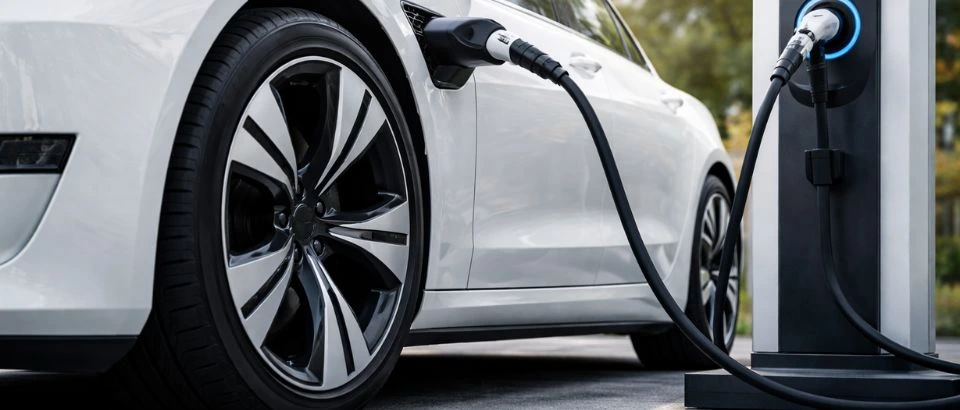
EVs are transforming mobility to be cleaner, quieter, and have an immediate response to the press of a button. Nevertheless, this technological change comes with fresh challenges that are not usually looked into, among them being tyre wear, which is one of the most critical challenges. Electric cars have special requirements regarding their tyres, unlike traditional petrol or diesel-powered cars, because they are heavier, have instant torque, and regenerative braking systems. Normal tyres do not necessarily suit such conditions effectively. That is why EVs demand specially designed tyres.
Why Electric Cars Wear Tyres Differently Than Petrol Vehicles
Keep reading to understand in detail:
1. Heavier Vehicle Weight Increases Tyre Stress
Electric cars have big battery packs that greatly add to the total weight when compared to other cars with internal combustion engines. This additional weight always exerts additional pressure on the tyres.
- Increase in the load on the tyre sidewalls and tread.
- Accelerated depletion of treads in continuous stress.
- Increased susceptibility of the lone patterns of wear.
Due to this, EV tyres are strengthened with more powerful interior constructions. These designs are useful in the distribution of weight and stability without affecting the comfort of the ride.
2. Instant Torque Accelerates Tyre Wear
Electric motors provide maximum torque on demand as opposed to fuel-powered engines, which produce power over time. This abrupt force affects the grip of tires on the road.
- Tread scrubbing occurs as a result of rapid acceleration.
- Increased friction on take-off prevents.
- Enhanced usage of driven wheels.
EV tyres are special tyres that contain high rubber compounds that counter the rapid abrasion. These materials are tough, gripping materials that reduce the premature wear that occurs due to pulling, which is accelerated most of the time.
3. Regenerative Braking Changes Wear Patterns
EVs can slow down using regenerative braking, which converts their motion into electrical power. It is efficient, though it changes the experience of braking forces of the tyres.
- Less dependence upon conventional brakes.
- Continuous braking at low levels on tyres.
- By having uncharacteristic wear on the surface of the tread.
The EV-specific tyres are created to cope with such constant forces in a balanced manner. This allows scalloping to be avoided and the life of tyres to be extended in regenerative braking.
4. Noise Reduction Is More Important in EVs
With the electric automobiles being a lot quieter than traditional cars, the noise of tyres is much more apparent in the car interior. Normal tyres may represent distracting noise on the road.
- Vibrations along the roads are easily transferred to cabins.
- Tread designs increase speed noise.
- Tyre faults are emphasised by cabin silence.
The EV tyres are usually designed with noise-dampening foam, and the treads are designed optimally. Such components capture the vibrations of sound and maintain the silent driving experience that electric cars have gained.
5. Low Rolling Resistance Improves Range
Tyres are very important in the range of an electric vehicle when it comes to covering a long distance after one charge. Large rolling resistance consumes less power in batteries.
- Loss of more energy due to friction.
- Limited range of charge per charge.
- Higher charging frequency
Special EV tyres are designed to reduce the rolling resistance with minimal loss of grip. The balance enables drivers to get maximum range and performance that is consistent.
6. Stronger Sidewalls Support Stability
Electric cars create an increased weight force and torque, which require higher tyre stability, particularly at the corners and abrupt turns.
- Loss of flex in heavy loads.
- Improved response in turns.
- Improved steering response
EV tyres have stiff sidewalls that do not collapse when pressurised. This provides predictable handling and safety when driving on an everyday basis.
Read More: Tyre Sidewall Bulge: Causes, Solutions, and Prevention
7. Optimized Tread Compounds for Longevity
Normal tyre rubber may easily get exhausted when subjected to EV-like driving forces. This leaves the choice of compounds very important.
- High torque stress resistance.
- Improved heat management
- Slower tread degradation
Advanced rubber compounds that are electric vehicle-specific are used by manufacturers. These compounds balance the aspects of durability, traction, and long-range efficiency.
8. Better Grip for Instant Power Delivery
Instant acceleration must be accompanied by good traction, particularly on wet or slippery roads.
- Increased acceleration at a low wheel spin.
- Better wet road performance.
- Improved urban driving control.
EV tyres are made to have special tread patterns that can provide an enhanced grip instantly. This will make a smooth transfer of power between the motor and the road.
9. Increased Tyre Diameter and Load Ratings
A significant portion of electric cars have a higher load rating than tyres to sustain the weight of the battery and vehicle dynamics.
- Higher pressure tolerance
- Increased load-bearing capacity.
- Less deformation in the case of stress.
Special EV tyres are put to the test so as to accommodate these demands. Correct load ratings ensure that failures do not occur prematurely and also ensure that the performance remains similar under different conditions.
10. Sustainability and Eco-Friendly Materials
Electric vehicles are selected due to environmental considerations, and tyre manufacturers are following this objective.
- Low-emission production processes.
- Green rubber and recycled products.
- The longer the durability of the tyre, the less wastage.
Tyres specific to EV tend to focus on green design. This also contributes to the sustainability objective of electric mobility and does not compromise on the performance standards.
11. Software and Tyre Design Compatibility
Software is the key to the traction control, torque distribution, and braking systems, which play a very important role in modern EVs.
- Tyres need to be predictable in terms of software inputs.
- Stable levels of grip enhance the accuracy of systems.
- Improved interconnection with automobile electronics.
EV systems are also tested together with special tyres to ensure compliance. This synergy increases driving confidence, safety, and efficiency of the cars in general.
Conclusion
The driving experience with an electric car is new, and it redefines what tyres must deliver. Tyres are exposed to unique stresses due to increased vehicle weight, instantaneous torque, regenerative braking, and the demand for quiet efficiency. Standard tyres often struggle under these conditions, leading to faster wear and reduced performance. This is why EV-specific tyres are becoming an essential part of the electric mobility ecosystem. At Swift Tyre Specialist, understanding these EV tyre requirements helps ensure drivers choose the right tyres for long-term safety, efficiency, and driving comfort as electric vehicles continue to grow in popularity.