


Going on a long road trip can be fun and exciting. You can see new places, spend time with family or friends, and create some cool memories. Before you start your trip, it is very important to check that your car is ready to go. One aspect of your car that requires special attention is the battery.
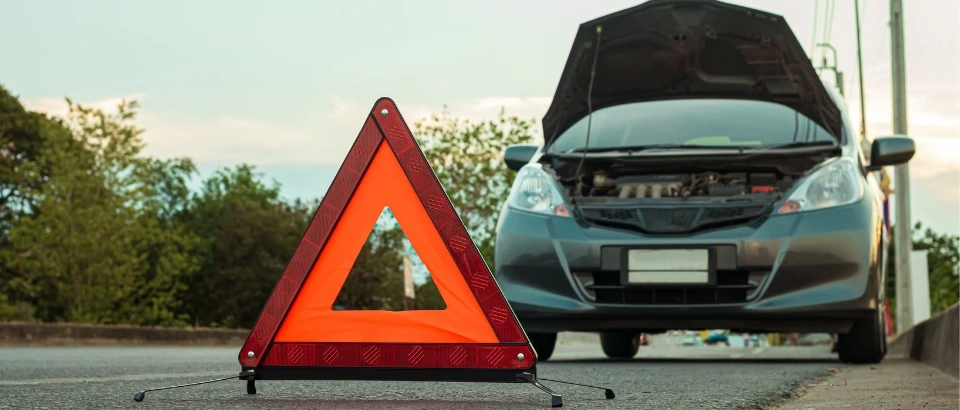
If your car battery fails while you are on a trip, there could be a heap of complications. You could end up stranded in the middle of nowhere, or require a tow or help. Therefore, it is a good idea to check your battery before travelling too far away.
Below are some simple things you can do to make sure your car battery is ready for a long trip:
1. Check the Age of Your Battery
Car batteries don’t last forever. Most batteries often last around 3 to 5 years. After that, they can start to get weak. If your battery is more than 3 years old, there is no harm in testing it. You can check the date on your battery. There will be a sticker or stamp that indicates the manufacturing date. If it is close to 5 years old, consider changing car battery before you take a trip.
2. Get a Battery Test
The battery test will indicate how strong your battery is. Most car service centres or battery retailers offer this for free or at a low cost. The store will use a special device that will determine if your battery is holding a charge. If the test indicates that your battery is weak, make sure to replace it before the trip. There is no need to risk it with an old or weak battery.
3. Check the Battery Terminals and Cables
Pop the hood and check out the battery. You’ll see two metal posts on top (those are the terminals) with wires (the cables) attached to them. They should be clean and tight as a drum. If you see any white or green powder around the terminals, that’s corrosion. Corrosion can halt the flow of electricity. Use a battery‑cleaning brush or an old toothbrush and baking soda with some water to clean it off. Check that the cables are attached securely and aren’t loose. If they are loose or look worn out, get them repaired or replaced.
4. Check for Swelling or Leaks
Look closely at the battery itself. If you see any cracks, swelling, or leaking fluid, do not use it. A swollen battery can be hazardous, and an unhealthy battery can burst. Leaks can cause damage to other areas of your car. If you see any of these signs, do not use that battery. Get your car battery replaced immediately.
5. Make Sure it’s Fully Charged
A battery performs best when fully charged. If your car has not been driven a lot lately, the battery may be low on a charge. Drive your car for a minimum of 30 minutes or longer to make sure the battery is charged before your trip. You can also charge it at home if you have a battery charger. A fully charged battery is less likely to have problems.
6. Turn Off All Accessories When the Engine Is Off
Before you put your car in Park, make sure the lights, radio, AC, and charging ports are off. If the engine is off and you leave the accessories on, it will use the battery quickly. Most people forget to turn things off and leave something on. This is one of the main reasons for having a dead battery. Make sure to double‑check before getting out of your car.
7. Don’t Use the Battery While Idling for Long
Every so often, while on holiday, you’re going to stop, get out of the car, but leave it running to either enjoy the AC or listen to music. Bear in mind, if you do this for an extended amount of time, you may wear out your battery. So, try not to leave the vehicle idling for longer than 10–15 minutes while parked. If you do want to take a break, it’s better to turn the car off and get comfortable. It’s a good idea to save the battery when you can.
8. Avoid Very Short Trips Before Long Trips
If you only take a few short trips before you take your trip, the battery may not have enough time to fully charge. Batteries tend to charge best over a longer duration. You should try to take your car on a 20–30 minute drive a few days before your trip. This will allow the battery time to get a good charge as well as help to prepare it for the journey ahead.
9. Pack a Jump Starter or Jumper Cables
Even after taking all precautions, accidents can still happen. So, always carry a jump starter or jumper cables. These can help you start the car if the battery dies during the trip. If you’re going to a remote area, a portable jump starter is better, as you won’t need another car to help you. They are small, easy to use, and very helpful.
10. Service Your Vehicle Before the Trip
Battery problems aren’t just battery problems. Bad units can exist in your alternator or starter, too. Therefore, it is best to get your vehicle fully serviced prior to the trip. Ask your mechanic to check the battery, alternator, belts and other electrical systems. A full-service check will help avoid any surprises while you are on the road.
Final Thoughts
Your battery is a small and tiny but very important component of your car. Without it, your car will not start and your road trip will be ruined! A little proper care before your trip could save you some huge headaches later.
Before embarking on that long trip, be sure to check its age, test its power, clean the terminals, and recharge it well. Also, ensure you either have jumper cables in case your battery dies or a jump starter. Be sure to support your battery occasionally with good servicing, and be aware of the signs the battery is showing if there are complications.
In no time, you will have guaranteed your battery is strong and ready for your road trip with this simple list of tasks. Everything may go smoothly and peacefully without unwanted stops. Safe travels and happy driving!